December 17, 2024
Selecting the Right Sustainable Fertilizer for Your Crops
Choosing the right sustainable fertilizer for your crops can significantly impact both your yield and the environment. Here are a few factors to consider when selecting a sustainable fertilizer:
Different crops have varying nutrient requirements. Understanding what your specific crops need will help you choose a fertilizer that meets those needs.
2. Soil Health:
Conducting a soil test can provide valuable insights into nutrient deficiencies and pH levels. This information can guide you in selecting a fertilizer that will enhance soil health and promote better crop growth.
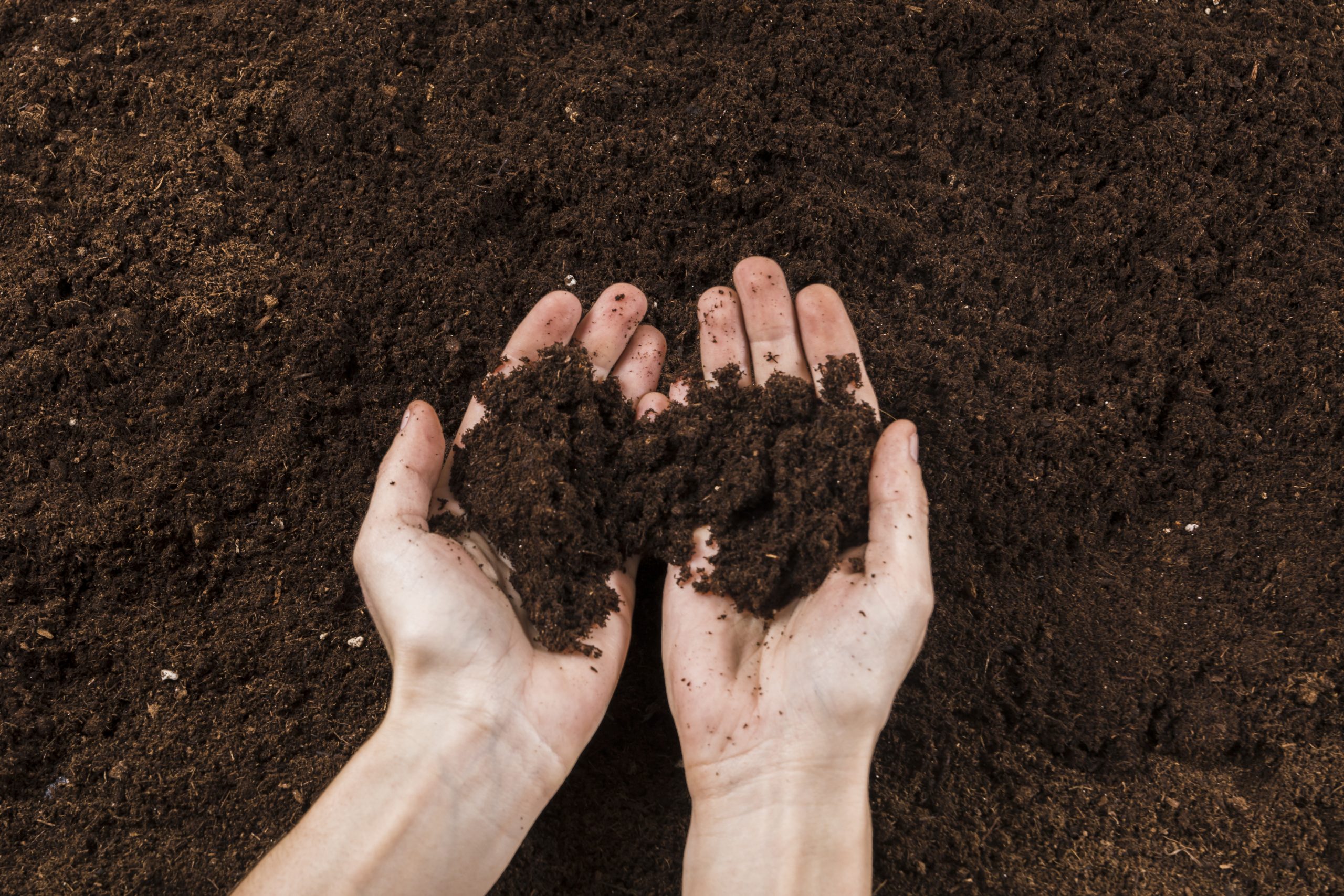
3. Organic vs. Synthetic:Organic fertilizers, such as compost, manure, and bone meal, improve soil health and promote biodiversity. Synthetic fertilizers, while effective, can lead to soil degradation and water pollution if used excessively. Consider your farming practices and the impact you want to have on the environment.
4. Slow-Release Options: Slow-release fertilizers provide nutrients over an extended period, reducing the risk of leaching and promoting more steady growth. This can be beneficial in sustainable farming practices.
5. Local Availability: Sometimes, the best options are those that are readily available in your area. Look for local sources of sustainable fertilizers that may also reduce transportation emissions.
6. Crop Rotation and Cover Crops: Implementing crop rotation or using cover crops can enhance soil fertility naturally. These practices can help reduce the need for additional fertilizers.
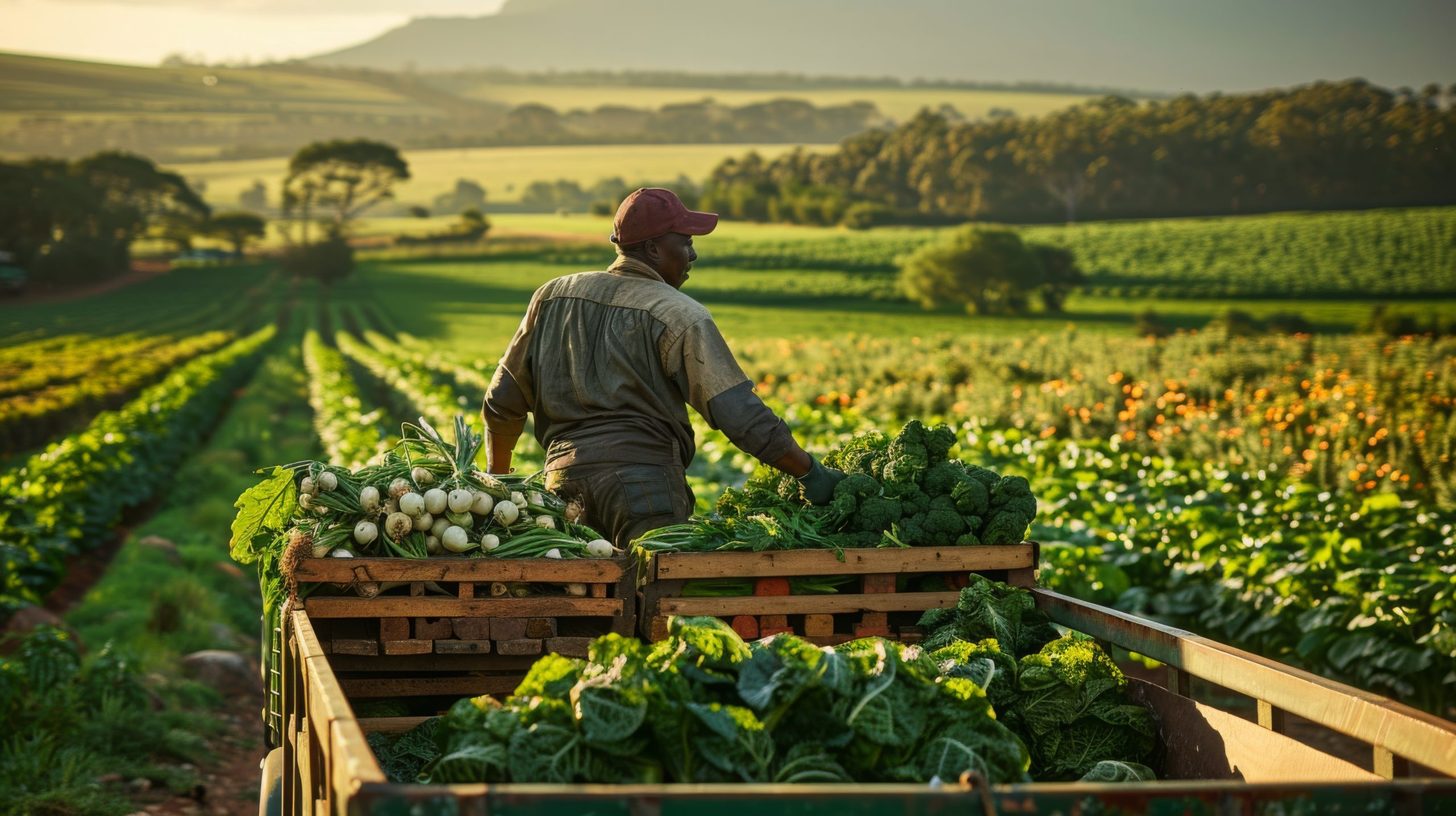
7. Certifications:Look for certifications on fertilizers that indicate they are organic or sustainably sourced. This can provide assurance that the product aligns with your sustainability goals.