September 16, 2025
The Benefits of Organic Fertilizers and Additives for Sustainable agriculture
Healthy soil builds healthy communities — and it starts with what we feed the land.
As the demand for sustainable farming practices grows, urban and peri-urban farms are stepping up. The local growers are turning to organic fertilizers and eco-friendly crop inputs not just to increase yield, but to protect environment and improve soil life.
In dense urban areas like New York City, Los Angeles, and Chicago—where space is limited and soil degradation is common—regenerative agriculture is becoming more than just a trend—it’s a necessity. For building resilient, local food systems and restoring ecological balance.
According to the Rodale Institute, organic farming improves water retention by 15-20% and increases biodiversity significantly over time. In fact, a Cornell University study found that organic farming systems are 28% more profitable than conventional ones, all while offering better resilience during drought years.
Whether you’re a rooftop grower in Manhattan or a smallholder farmer in the Hudson Valley, choosing natural fertilizer benefits over synthetic inputs is a practical, scalable way to support a more environmentally friendly farming model.
i. What Are Organic Fertilizers and Additives?
“Good soil doesn’t happen by chance — it’s built by conscious choices.”
As more farmers and gardeners shift toward sustainable farming practices, understanding what goes into the soil is critical. Organic fertilizers and additives are at the heart of this shift, offering eco-friendly alternatives to conventional chemical inputs.
Definition and Types of Organic Fertilizers
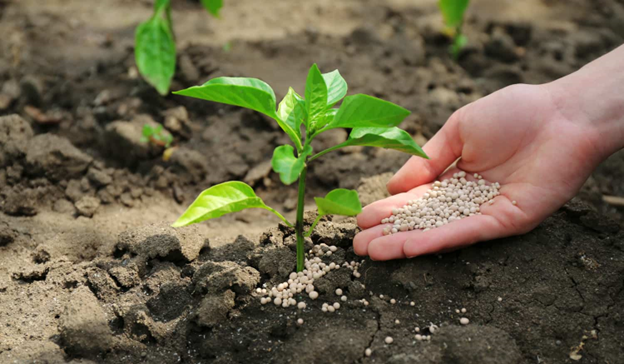
Organic fertilizers are naturally derived substances used to enrich soil and support plant health without synthetic chemicals. They’re often made from plant, animal, or mineral-based materials and work in harmony with soil biology. Common types include:
-
Compost-based fertilizers – Decomposed organic matter rich in nutrients and beneficial microbes
-
Manure – Animal waste that improves soil structure and nutrient content
-
Seaweed extracts – Packed with micronutrients and growth hormones for root stimulation
-
Bone meal & blood meal – Slow-release organic nutrient sources for soil, high in nitrogen and phosphorus
-
Biofertilizers – Microbial-based inputs that promote nitrogen fixation and enhance root health
Explore VerdantGro eco-safe crop enhancers to see our range of non-toxic farming products.
How They Differ From Synthetic Inputs
Unlike synthetic fertilizers, which deliver quick-release nutrients at the cost of long-term soil health, organic soil additives offer a slow-release, natural approach. They improve soil health management by:
-
Enhancing soil structure and water retention
-
Encouraging microbial activity for regenerative agriculture
-
Reducing chemical runoff and groundwater contamination
-
Supporting non-toxic farming inputs and safe food production
According to a 2023 USDA report, long-term use of organic fertilizers can increase soil organic carbon levels by 25–30%, improving soil resilience and crop yields over time.
ii. Benefits of Organic Fertilizers
Healthy soil doesn’t just grow better crops—it sustains ecosystems, communities, and the future of farming.
A 2020 meta-analysis published in Nature Sustainability found that organic farming can improve biodiversity by up to 34% compared to conventional methods. This includes beneficial insects, soil microbes, and pollinators—key players in maintaining productive and resilient ecosystems. Other benefits included:
Improve Soil Health and Microbial Life
-
One of the core natural fertilizer benefits is how they enrich soil with organic matter. Products like compost, biofertilizers for crops, and compost-based fertilizers support microbial activity, which helps break down nutrients and makes them more accessible to plants.
-
NRDC claims that increasing soil organic matter by just 1% can help soil hold up to 20,000 gallons more water per acre. Learn more about our organic solution – Granular Fertilizers crafted to enhance microbial life without synthetic inputs.
Safe for Pollinators and Ecosystems
-
Unlike conventional fertilizers that may harm bees, birds, and aquatic life, non-toxic farming inputs are gentle on surrounding ecosystems. These eco-safe crop enhancers protect vital pollinators, which are responsible for over 75% of global food crops (FAO).
Long-Term Crop Yield Improvements
-
Although organic farming methods may not produce quick fixes like synthetic options, studies have shown that they promote long-term productivity. A 30-year trial by the Rodale Institute found that organic systems yield as much as conventional farms—and outperform them during drought years.
Reduce Water Runoff and Soil Erosion
-
Organic fertilizers improve soil structure, enhancing water retention and minimizing erosion. This is especially important for regenerative agriculture practices in areas facing drought or extreme weather patterns.
-
According to the EPA, agricultural runoff is one of the leading causes of water pollution in the U.S. By switching to chemical-free Soil Conditioners, farmers can reduce nutrient runoff significantly.
iii. Key Organic Additives Worth Considering for Soil Health & Sustainable Farming
Choosing the right additives can make all the difference in achieving strong crop yields and building long-term soil fertility. Whether you’re a home gardener or managing a small farm, these organic soil additives are proven to support sustainable farming practices and improve soil health management naturally.
Biochar
-
Biochar is a carbon-rich material made by burning organic matter like wood or crop waste at high temperatures with limited oxygen. It acts like a sponge in your soil, locking in water and nutrients while also helping reduce carbon emissions. Research from Cornell University shows that adding biochar to soil can improve fertility and crop yields, especially in degraded soils.
Mycorrhizae Fungi: Nature’s Root Extension System
-
Mycorrhizae fungi form symbiotic relationships with plant roots, dramatically improving nutrient and water uptake. By building a living network underground, they create more resilient, drought-tolerant crops. Studies show plants inoculated with mycorrhizae can yield up to 37% more biomass and require less fertilizer input.
Fish Emulsions: A Fast-Acting Organic Fertilizer
-
Fish emulsions are nutrient-rich liquids made from fermented fish waste. They’re packed with nitrogen, phosphorus, and potassium—essential for leafy growth and strong root systems. A University of Alaska study found that fish-based fertilizers improved plant health and productivity compared to synthetic alternatives in cold-climate farming.
Vermicompost: The Ultimate Organic Nutrient Source
-
Vermicompost (worm compost) is one of the most potent organic nutrient sources for soil, rich in beneficial microbes and humic acids. It enhances soil texture, boosts microbial activity, and supports chemical-free soil conditioners. According to EPA data, vermicomposting can reduce household waste by up to 30% and improve soil structure within weeks of application.
Granular Fertilizer: All-Purpose Slow-Release Nutrition
-
Our Granular Fertilizer is a slow-release product made with certified organic soil amendments. It provides steady nutrition over time and is ideal for long-term soil building. Because it’s made from natural ingredients, it’s safe for pollinators and supports regenerative agriculture practices.
Seaweed Kelp: Nature’s Plant Growth Accelerator
-
Our Seaweed Kelp Fertilizer uses cold-processed kelp to promote plant growth, increase resistance to stress, and support healthy blooms. It’s one of the most effective eco-safe crop enhancers, especially in regions prone to drought. Studies from Rutgers University show kelp can improve root development and plant health under stress conditions.
Liquid Fertilizer: Fast-Acting Foliar Nutrition
-
For a quick nutrient fix, our Liquid Organic Fertilizer can be sprayed directly on leaves. It’s a fast-acting solution for farmers needing rapid results without compromising on safety. This is ideal for those searching for top organic fertilizer brands in the USA that offer both quality and convenience.
iv. Environmental Impact: A Cleaner Future Starts with the Soil
-
Unlike chemical-based products that release nitrous oxide (a greenhouse gas 300x more potent than CO₂), eco-friendly fertilizers break down naturally and enrich the soil without harming the air, water, or life around it. This means less carbon in the air and more nutrients in the soil — a win-win for farmers and the environment.
-
Some states are already investing in this shift. California’s Healthy Soils Program, for instance, offers grants to farmers who use regenerative agriculture practices to cut emissions and improve productivity. Also, New York’s Climate Resilient Farming initiative supports organic farming methods that restore soil and protect water systems.
-
At VerdantGro, we offer wide range of USDA-compliant, certified organic soil amendments. Whether you’re looking for organic gardening products or large-scale organic farming solutions for small farms, our products are designed to help you grow responsibly.

v. Common Concerns About Organic Fertilizers — Debunked
Many farmers and gardeners hesitate to switch because of things they’ve heard — but it’s time to clear the air. Organic fertilizers aren’t just a trend; they’re a long-term solution rooted in sustainable farming practices and soil health management.
“Organic fertilizers are too expensive”
-
Yes, the upfront cost may be slightly higher than synthetic options. But the real value lies in what you save over time. Organic nutrient sources for soil improve soil structure, increase water retention, and reduce the need for repeated applications. That means fewer inputs and better yields in the long run.
“They don’t work as fast as chemical ones”
-
That’s partially true — but it’s also the point. Eco-friendly fertilizers like compost-based blends release nutrients slowly and steadily, which matches the natural rhythm of plant growth. Instead of a short-term boost followed by burnout, you get consistent nourishment that promotes long-term soil vitality.
“They smell bad”
-
While raw manure does carry an odor, most modern certified organic soil amendments are odor-neutral or lightly earthy — not offensive. Our high-quality products are processed and composted for both performance and user comfort.
vi. VerdantGro’s Role in Advancing Sustainable Agriculture
In a world moving rapidly toward eco-friendly farming, VerdantGro stands at the forefront — offering trusted, science-backed solutions to help growers thrive without compromising the planet.
We’re committed to delivering organic fertilizers and natural soil additives that support both soil health management and long-term environmental stewardship. Whether you’re a backyard gardener or a regenerative farm in transition, our products are crafted to meet a wide range of needs — all rooted in sustainable farming practices.
Explore our curated line of eco-friendly fertilizers, compost-based soil conditioners, and non-toxic farming inputs that are ideal for promoting chemical-free cultivation.
Browse our full product catalog: verdantgro.com/products
Our solutions are especially useful for those seeking USDA organic fertilizer suppliers or transitioning to regenerative agriculture practices. With VerdantGro, you’re not just buying a product — you’re partnering with a brand that cares about the future of farming.
vii. Conclusion: The Future of Farming Is Organic — And It Starts With You
As more farmers and gardeners shift toward sustainable agriculture practices, the demand for non-toxic farming inputs and organic fertilizers is growing rapidly — and for good reason.
By choosing eco-friendly soil enhancers like biofertilizers, vermicompost, and seaweed-based foliar sprays, you not only improve your crop yield naturally but also protect pollinators, water systems, and the long-term health of your soil. According to the Food and Agriculture Organization (FAO), organic farming helps preserve biodiversity, lowers chemical runoff, and builds more resilient ecosystems.
-
Improve crop yields naturally
-
Protect pollinators and water systems
-
Build long-term soil health
FAQs
a. Are organic fertilizers better for the environment?
Yes, organic fertilizers are significantly better for the environment. They are made from natural sources like compost, manure, and plant extracts, which break down slowly and enrich the soil without polluting nearby water bodies.
b. What are the disadvantages of organic fertilizers?
While organic fertilizers offer many long-term benefits, they can act more slowly than synthetic ones and may require more planning. They sometimes contain variable nutrient levels and may not deliver instant results. However, using premium products like VerdantGro’s seaweed foliar spray or vermicompost can bridge that gap by offering fast-acting natural nutrition.
c. What is the difference between compost and fertilizer?
Compost is a soil conditioner rich in organic matter that improves texture and microbiology. Fertilizer, on the other hand, is meant to feed plants directly by supplying key nutrients. Compost enriches the soil over time, while fertilizers — like VerdantGro’s liquid and granular solutions — provide more immediate nourishment.
d. Can organic fertilizers increase crop yields?
Yes, especially when used consistently and tailored to soil needs. Studies from FAO show that organic inputs like compost and biofertilizers can increase yields by improving soil health, water retention, and nutrient cycling. Many farmers using VerdantGro products report stronger root systems and more robust harvests over time.